Explained: How to properly store peptides?
How long a peptide keeps in the freezer, the fridge and on the shelf, how to keep it dry and dark, and what changes once it’s in solution.
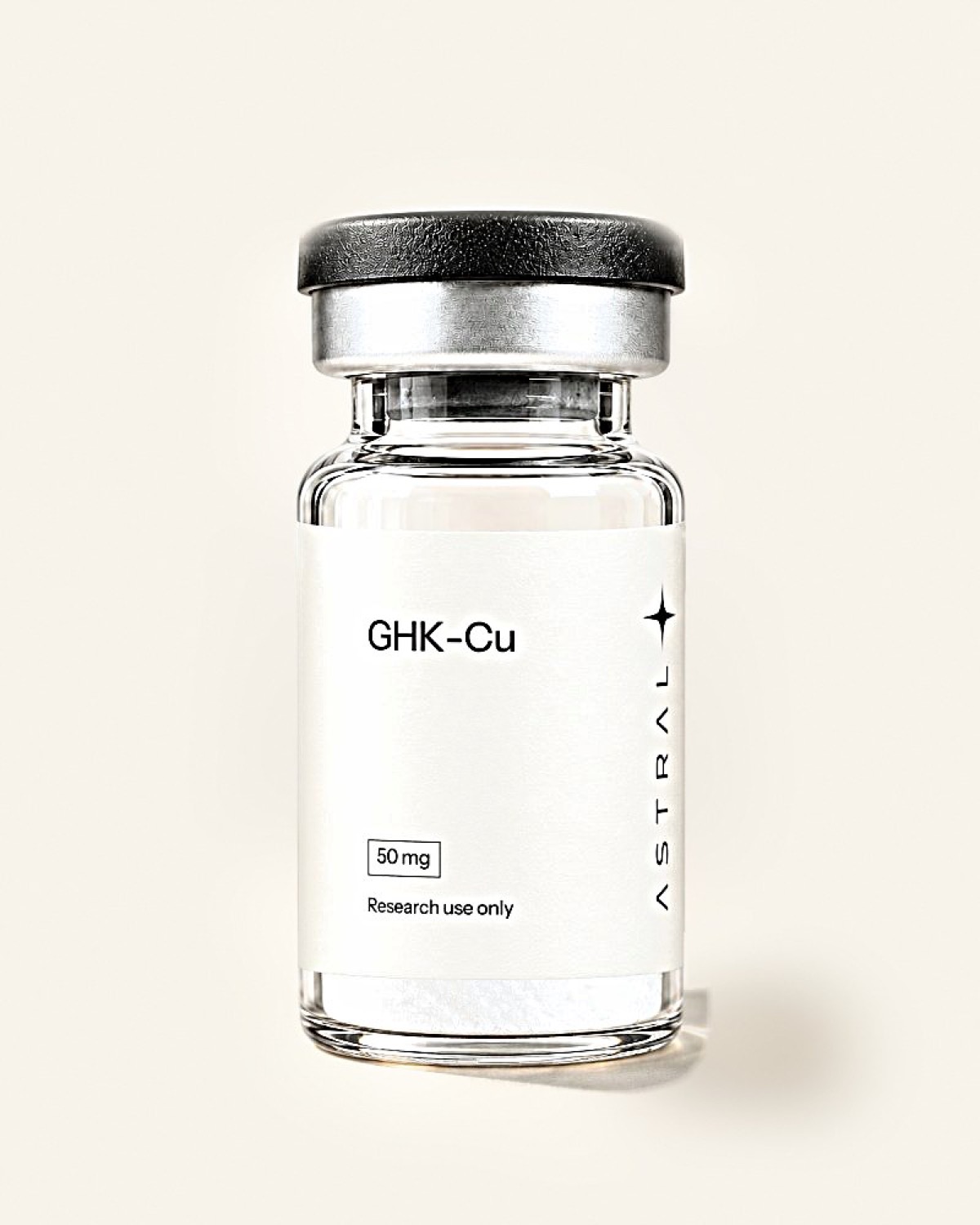
A peptide is only as good as the way it was kept. The same vial can stay true to its certificate for years, or slowly turn into a powder of broken fragments, depending on where it sat in the meantime. Peptides are more fragile than most small-molecule compounds: their structure is what makes them useful, and heat, moisture, light, oxygen and microbes all work against it.
This guide covers both forms you’ll handle: lyophilized (freeze-dried) powder, the way research peptides ship, and reconstituted solution, once you’ve mixed it. It also covers how peptides break down, how to tell when one has, and the habits that keep a stock reliable.
Table of contents
Why storage matters
Research peptides aren’t stable indefinitely under any conditions. A peptide that has partly degraded doesn’t announce it: the vial looks the same, but some of what’s inside is now fragments that behave differently, or not at all. Work done with that material inherits the problem, and it’s very hard to spot afterward.
That makes storage a variable in your work, just like the compound itself. It goes hand in hand with reconstitution technique: between them, they decide whether the material in your vial still matches its certificate.
Storing lyophilized peptides
Freeze-drying removes the water that most degradation reactions need, which is why lyophilized powder is far more stable than any solution. Stable isn’t the same as indestructible, though. Temperature, moisture and light still decide how long a sealed vial keeps.
Temperature
Colder is better, because every degradation pathway slows as the temperature drops. For a sealed vial kept dry and dark, these are the typical stability windows:
- In a freezer at −20 °C: stable for 2–5+ years. The standard for long-term storage, and the right home for anything you won’t open soon.
- In a refrigerator at 2–8 °C: stable for 1–2+ years. Right for stock you’ll work through over the coming months, or a lab without freezer space.
- At room temperature: stable for 6+ months. That’s why peptides travel well and a few days on the bench is fine. It should still be a controlled room, away from heat, sunlight and swings in temperature; a car, a windowsill, a bathroom or a garage doesn’t count.
Some sequences are more sensitive than others (more on those below), so treat these as typical ranges rather than guarantees.
Moisture
Moisture is the biggest threat to a lyophilized peptide. Even a little absorbed water can start hydrolysis, the reaction that cuts peptide bonds and leaves inactive fragments behind.
- Keep vials sealed with their original stopper and cap until you’re ready to reconstitute.
- If you use desiccant packets, keep them with the vials in a sealed container.
- Let a vial from the freezer or fridge reach room temperature before you open it. A cold vial opened early pulls condensation straight onto the powder.
- Once you’ve drawn from a vial, close it up and put it away promptly.
Light
UV light can oxidize certain amino acids, tryptophan, tyrosine and methionine in particular, and change the structure of the peptide. Keep vials in their carton, in a drawer or an opaque box. Clear glass vials can be wrapped in foil.
Storing reconstituted peptides
Once a peptide is dissolved, the water that freeze-drying took out is back, and the reactions it held off can start again. A reconstituted peptide needs active care and a firm timeline.
Refrigerate it right away
Keep a reconstituted vial at 2–8 °C from the moment it’s mixed. Don’t leave it on the bench longer than you need to. Going from powder to solution is the biggest change in stability a peptide goes through, and time at room temperature speeds up everything that follows.
Use it within 28 days
Mixed with bacteriostatic water (sterile water with 0.9% benzyl alcohol, like Astral’s Reconstitution Solution), most peptides hold up for about 28 days in the fridge. The benzyl alcohol keeps bacteria from growing each time the stopper is pierced.
Mixed with plain sterile water, a solution has no protection at all. Use it within 24 hours and discard the rest. Bacteriostatic water vs sterile water explains why the preservative makes that much difference.
Don’t freeze and thaw it twice
Repeated freezing and thawing is one of the most common ways peptides get damaged. Each cycle forms ice crystals that can disrupt the structure, and as the water freezes, what’s left becomes more and more concentrated, which pushes peptides to clump together.
If you need a solution to last longer than 28 days, split it into single-use portions in separate sterile vials right after reconstitution, and freeze those. Thaw one portion when you need it, use all of it, and never refreeze it.
Reconstitution and storage
How you mix a peptide affects how well it keeps afterward. Poor technique can bring in contamination, leave pockets of high concentration that start clumping, or leave powder undissolved. Our guide to reconstituting peptides walks through it step by step.
Two points matter most for storage. Bacteriostatic water gives the longest window, so it’s the default solvent; save dilute acetic acid for the rare sequence whose technical sheet calls for it. And run the solvent down the inside of the vial, then swirl gently rather than shake: damage from rough handling doesn’t reverse in the fridge.
How peptides break down
Knowing the main ways peptides degrade explains most of the rules above.
| Degradation | Cause | Prevention |
|---|---|---|
| Hydrolysis | Water cuts peptide bonds | Keep it dry; limit time in solution |
| Oxidation | Oxygen attacks methionine and cysteine | Keep vials tightly sealed |
| Deamidation | Asparagine and glutamine change slowly | Store it cold |
| Aggregation | Peptide molecules clump together | No freeze-thaw; don’t over-concentrate |
| Photodegradation | UV light alters aromatic amino acids | Store it in the dark |
| Contamination | Bacteria grow in solution | Bacteriostatic water; 28-day limit |
Sequences that need extra care
Storage needs aren’t identical across compounds. A peptide’s sequence decides which of the pathways above it’s most exposed to.
Peptides containing cysteine are sensitive to oxygen, which can join free cysteines into bonds that don’t belong there or shuffle the disulfide bonds a peptide depends on. Keep the vials tightly sealed and in the dark, and keep the time they spend open short.
Peptides containing methionine oxidize at its sulfur atom, a change that can leave the peptide inactive. Temperature makes a large difference here, because the reaction slows sharply in the cold.
Sequences with asparagine or glutamine deamidate on their own, even as a dry powder, though very slowly. For sequences with known weak spots, such as an asparagine followed by glycine, long-term storage at −80 °C rather than −20 °C is worth considering.
Signs a peptide has degraded
Storage problems usually show up in the solution. If you see any of these in a reconstituted vial, discard it:
- Cloudiness, which points to clumping or microbial growth.
- Visible particles or floating specks, from contamination or material coming out of solution.
- A change in color, which can mean oxidation. A blue tint is normal for GHK-Cu and for blends that contain it, like GLOW.
- An unusual smell, a sign of microbial growth.
- Powder that won’t fully dissolve, which can mean the vial took on moisture earlier.
A note of how the solution looked on the day you mixed it gives you something to compare against later.
Quick reference
| Form | Freezer (−20 °C) | Fridge (2–8 °C) | Room temperature |
|---|---|---|---|
| Lyophilized, sealed | 2–5+ years | 1–2+ years | 6+ months |
| In bacteriostatic water | Single-use portions | Up to 28 days | Not recommended |
| In sterile water | Single-use portions | Within 24 hours | Not recommended |
Treat these as typical ranges. The sensitive sequences described above sit toward the shorter end.
Equipment and labeling
Good storage is more than a temperature. The equipment and the record-keeping around it decide whether that temperature actually holds.
Choosing a freezer
Not every freezer is equally good for peptides. Frost-free models warm up during their automatic defrost cycles, often by several degrees, and those swings add up over months. A manual-defrost freezer at −20 °C holds a steadier temperature. For particularly sensitive sequences, a −80 °C ultra-low freezer is worth considering.
If a frost-free freezer is what you have, keep the vials inside a lidded plastic box within it. The extra layer softens the temperature swings.
Labels and records
Label every vial with the compound, the date you received it and, once mixed, the date of reconstitution, the concentration, the solvent and your initials. Use labels rated for freezer temperatures: ordinary adhesive labels peel off in the cold, and an unlabeled vial is a vial you can’t use.
Keep a simple log, on paper or in a spreadsheet, with each vial’s lot number and every time it was handled from arrival to disposal. It lets you trace any result back to its lot and its certificate, and it tells you when stock is nearing the end of its window.
Handling habits
Small habits add up. Take vials out of the freezer only when you need them. Keep desiccant with your lyophilized stock. Make sure everyone who uses the freezer knows the two rules that prevent most damage: let a vial warm up before opening it, and never refreeze a thawed portion.
Common questions
How long do lyophilized peptides keep at −20 °C?
Sealed, dry and dark, typically 2–5+ years. In a fridge at 2–8 °C the figure is 1–2+ years, and at a controlled room temperature 6+ months. Sequences with sensitive residues, such as methionine, cysteine or asparagine, sit toward the shorter end. The vial’s Certificate of Analysis gives you the purity it started at.
Can I freeze a reconstituted peptide?
Yes, in single-use portions. Split the solution before freezing, thaw one portion at a time, use all of it, and never refreeze it. Repeated freezing and thawing does more harm than steady refrigeration.
Which solvent is best for storage?
Bacteriostatic water, for most peptides. Its benzyl alcohol is what makes the 28-day window possible. Plain sterile water is good for about a day, and other solvents are only for compounds whose technical sheet asks for them.
Does taking vials in and out of the freezer hurt them?
It can. Each time a vial warms up, any moisture in the powder becomes mobile again and can start hydrolysis. If you’re working through a compound, keep a small working stock in the fridge and leave the rest frozen and undisturbed.
How does storage affect results?
Degraded material contains fragments that can compete with the intact peptide in an assay, or simply do nothing. Either way, the compound looks weaker than it really is, and the difference gets blamed on the compound rather than the freezer.
Storage checklist
- Lyophilized stock at −20 °C or colder, sealed and kept dark.
- Freezer access kept to a minimum, and logged.
- Every vial warmed to room temperature before it’s opened.
- Bacteriostatic water as the default solvent.
- Solutions split into single-use portions if they need to last longer than 28 days.
- Refrigerated solutions dated, and discarded after 28 days.
- Thawed portions never refrozen.
- Every solution checked by eye before use, and discarded if cloudy, discolored or flecked.
Tools & records
Two pages on this site support the record-keeping above. The peptide calculator turns a vial’s contents and a solvent volume into a concentration for the label, and the COA library holds the Certificate of Analysis for each released lot, so the lot number on a vial can be matched to its record.
Astral supplies these materials for laboratory research only. This guide describes storage and handling of research material.