Explained: How to properly store peptides?
How long a peptide keeps in the freezer, the fridge and on the shelf, how to keep it dry and dark, and what changes once it’s in solution.
How long a peptide keeps in the freezer, the fridge and on the shelf, how to keep it dry and dark, and what changes once it’s in solution.
What you need, how to pick a solvent, and the eight steps from a sealed vial to a clear solution, plus how to keep it once it’s mixed.
What retatrutide is at the molecular level, the three receptors it was built to act on, the form it reaches your bench in, and how to read the label and certificate that come with it.
A three-amino-acid peptide carrying one copper ion, how it differs from plain GHK, why its solution is blue, and what the published literature has studied it in.
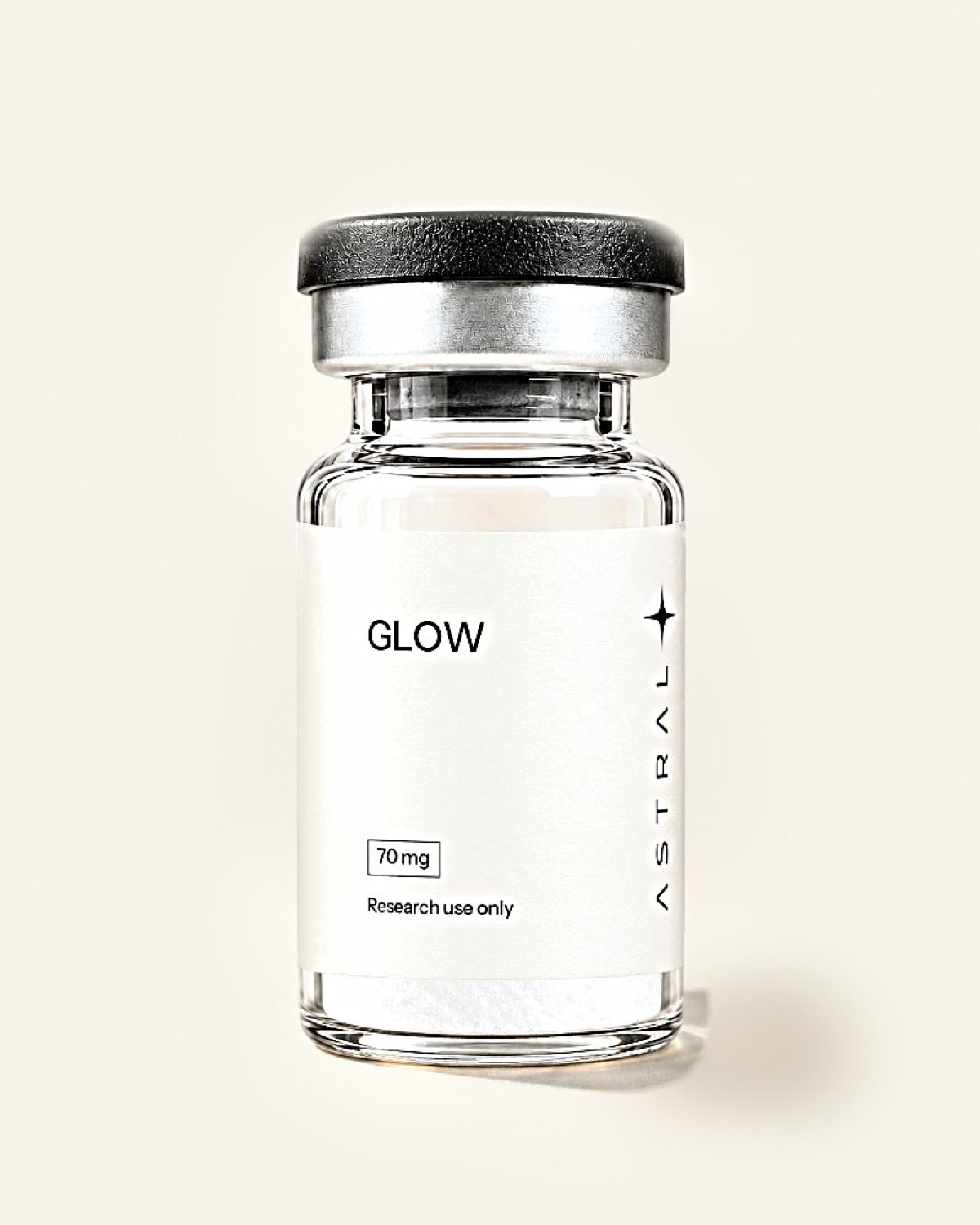
What GHK-Cu, BPC-157 and TB-500 are, why GLOW’s vial reads 50/10/10 mg, and how the numbers fall out once the powder is in solution.
The three legal ways a peptide reaches a buyer in the United States, the one rule that separates a research supplier worth using from one that is not, a vetting checklist you can run in ten minutes, and the regulatory changes of 2024 to 2026 that set up 2027.
The number counts receptors and the letters shorten a name. One of the three labels also belongs to a gut hormone that has nothing to do with the vial.
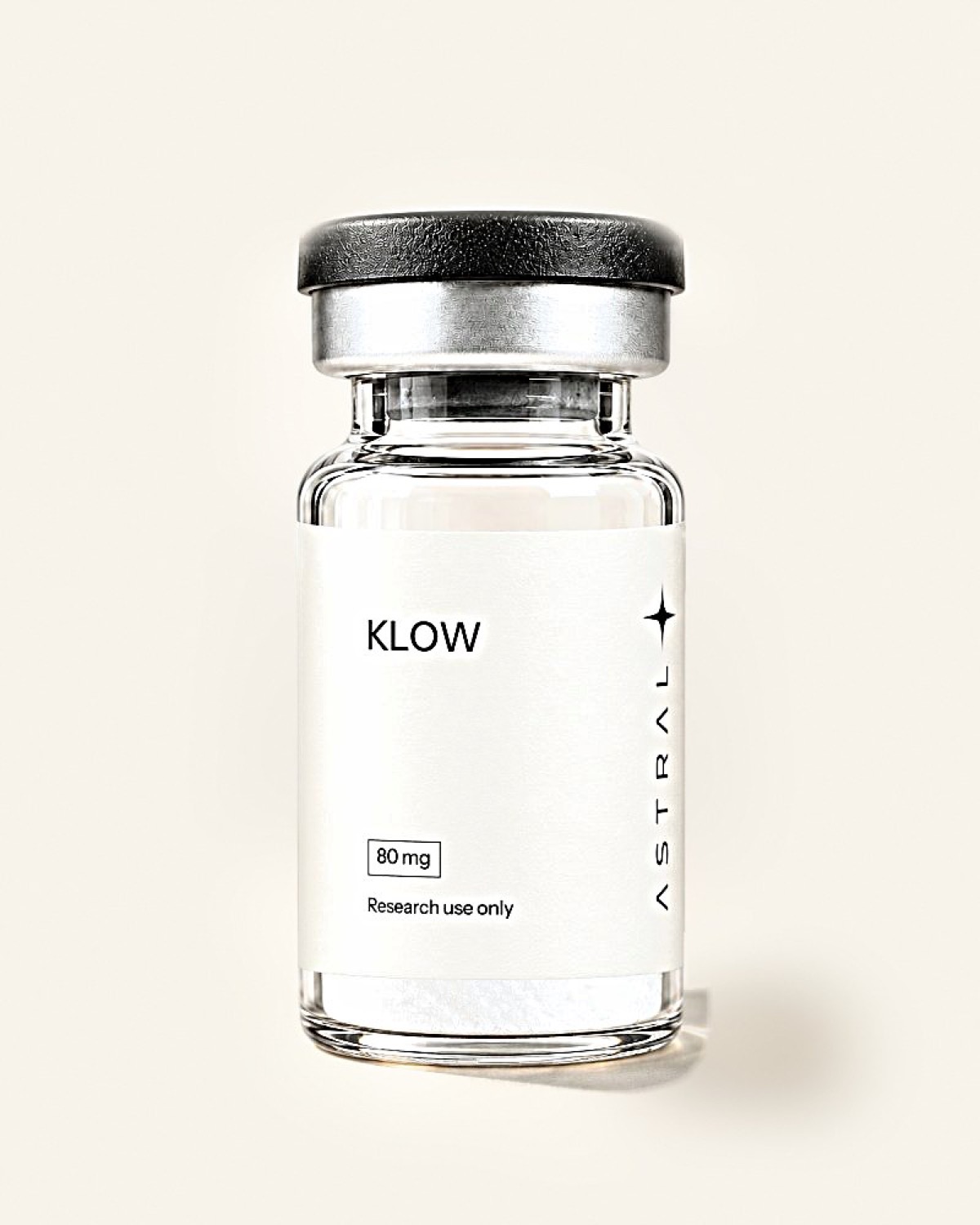
KLOW is the GLOW blend with a fourth peptide, KPV, in the same vial. Here is what that adds, in milligrams and in plain words.
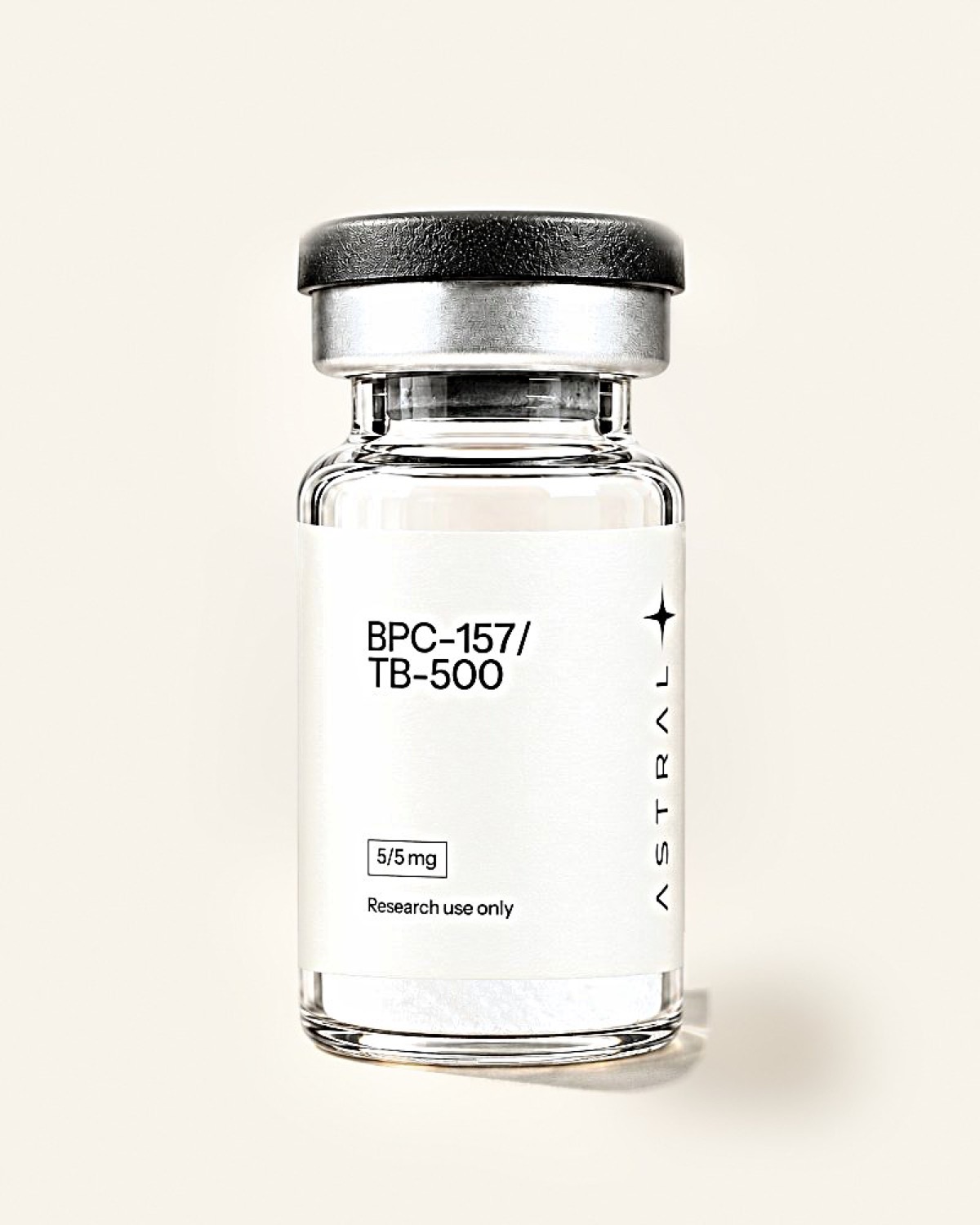
What BPC-157 and TB-500 are, how the two differ, why they share a vial, and how Wolverine compares with GLOW and KLOW.
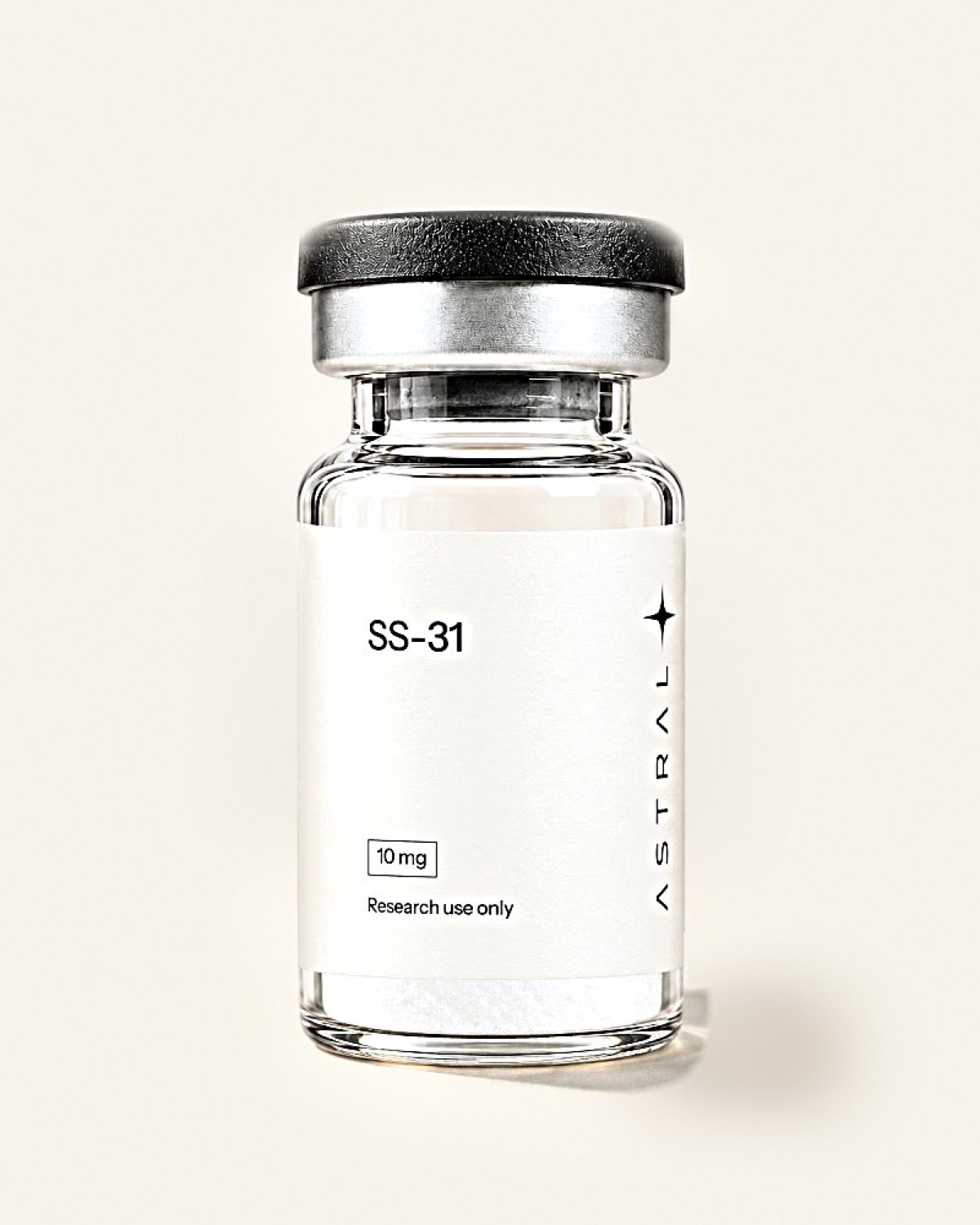
What SS-31 is, the membrane lipid it was built to find, the 2025 FDA decision behind the name elamipretide, and how it compares with MOTS-c.
Two 39-amino-acid peptides from the same developer, one built for two receptors and one for three. A side-by-side of structure, receptors and where each stands.
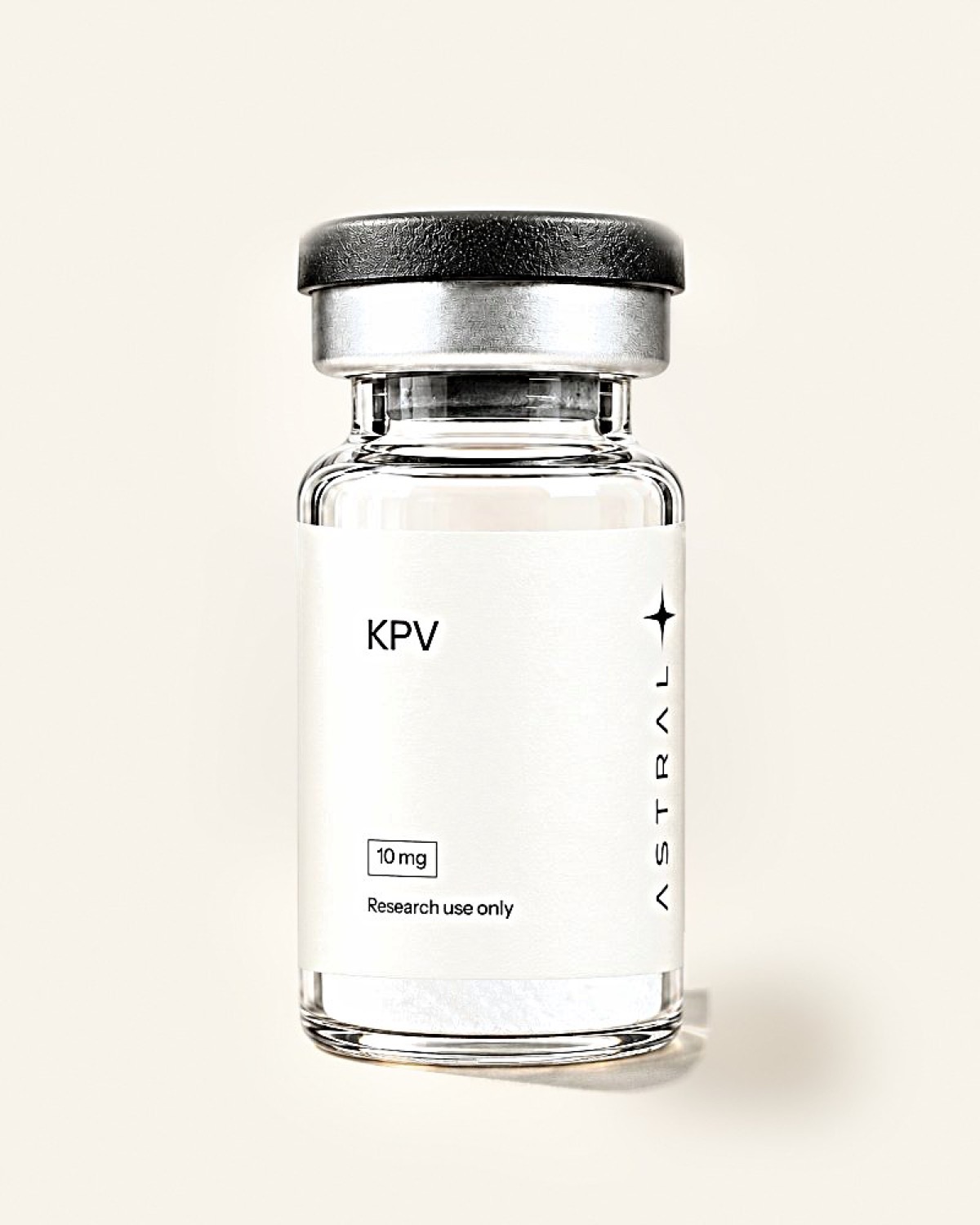
What KPV is, where its three letters come from, what the Dallas, Münster and Emory studies measured in cells and mice, and how it differs from BPC-157.
What bac water actually is, how it differs from plain sterile water and saline, and why a multi-draw research vial pairs with a preserved reconstitution solution.
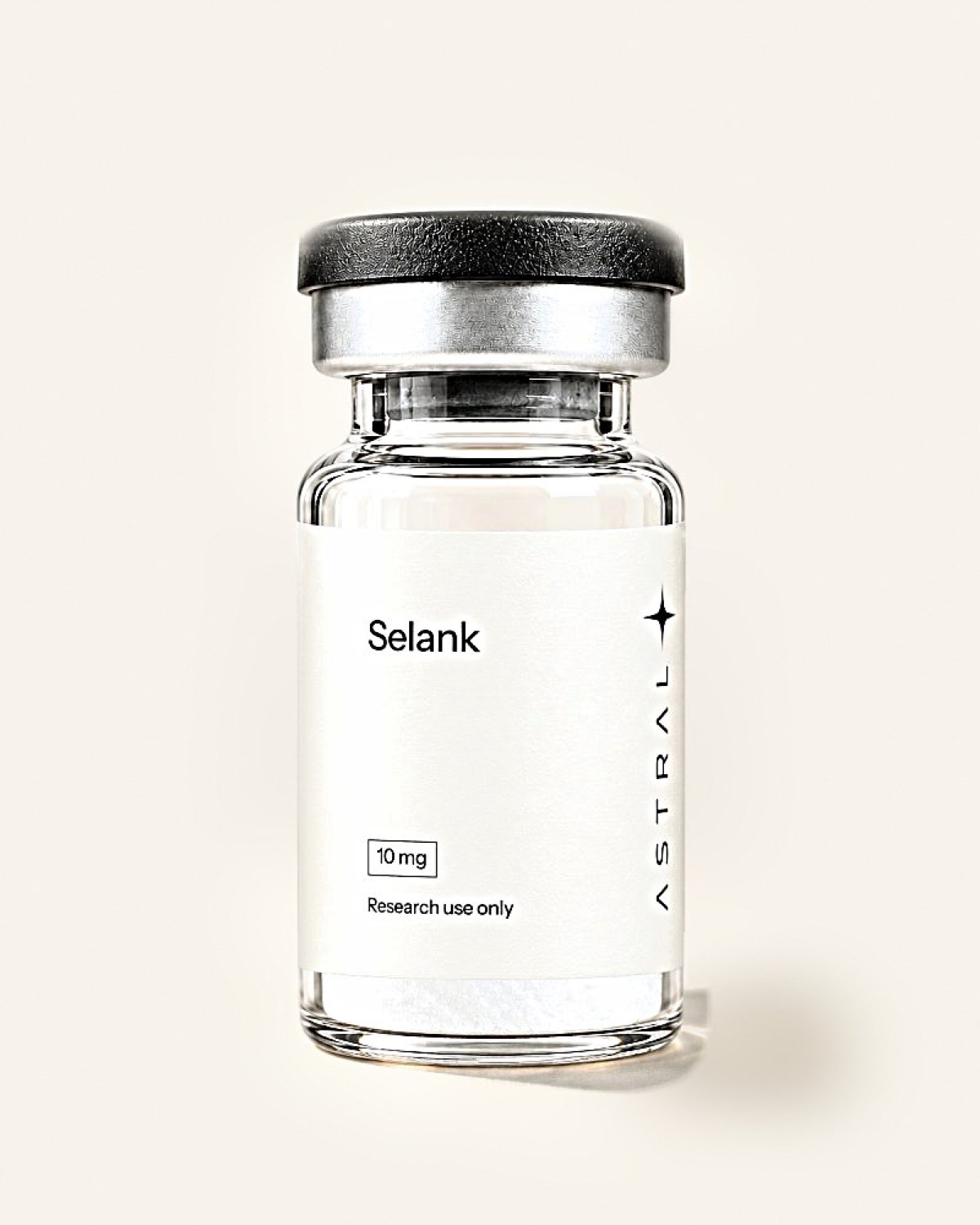
What Selank and Semax are made from, why both end in Pro-Gly-Pro, the rat and cell studies each is known for, and where the two stand with regulators.
Qué es este péptido en palabras simples, por qué Astral lo llama GLP-3 RT, en qué se diferencia de la tirzepatida y la semaglutida, y cómo llega a tu laboratorio.
Qué es un péptido, por qué la insulina es uno y el colágeno en polvo es otra cosa, qué quiere decir solo para investigación y qué ofrece Astral.
Las tres formas legales en que un péptido llega a un comprador en Estados Unidos, una revisión de diez minutos para distinguir a un proveedor serio de una simple tienda, y lo que cambió en las reglas hasta octubre de 2026.